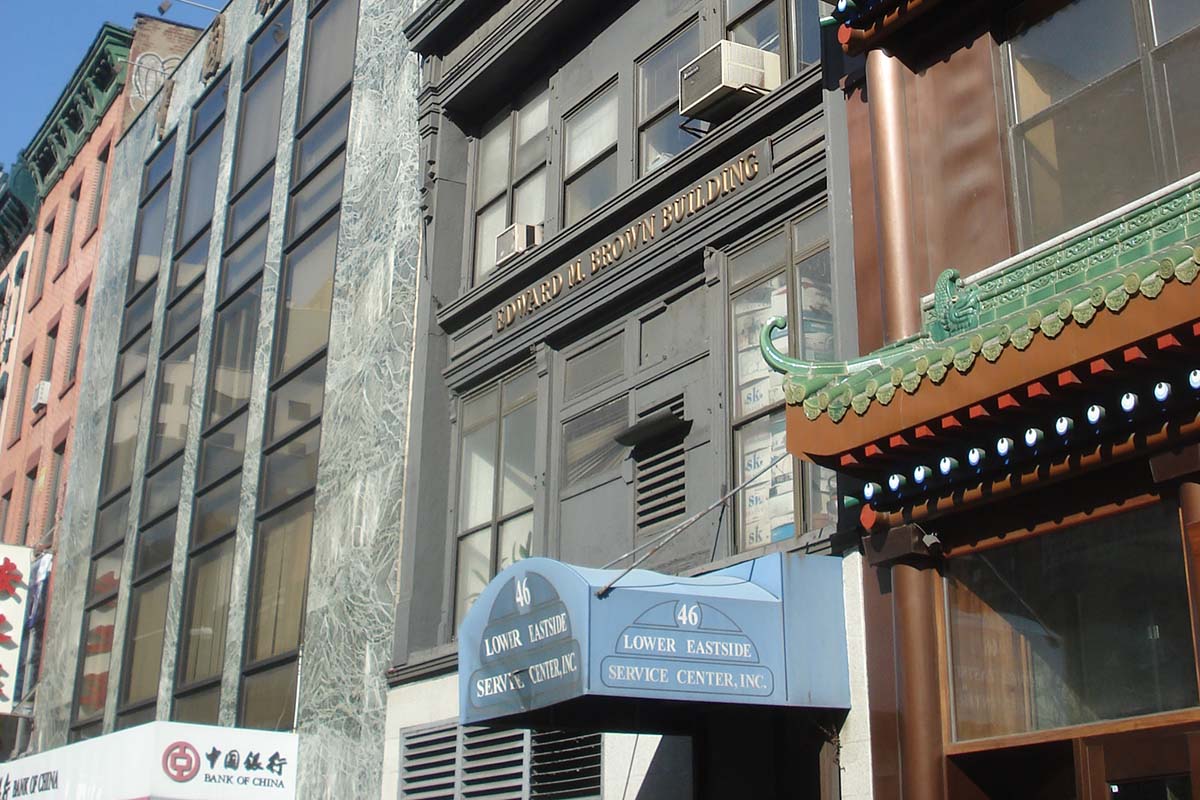
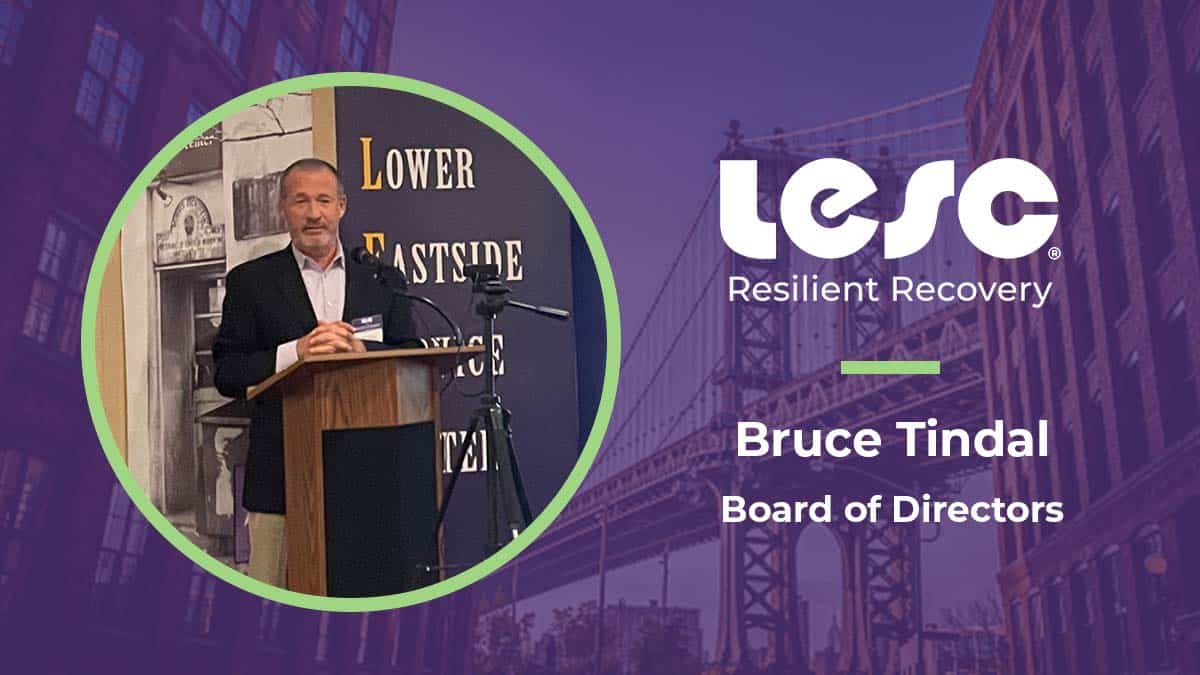
Join us for a special Open House event at Su Casa and see firsthand how LESC is reshaping residential recovery. This is a great opportunity to meet the dedicated team behind our transformative programs and we will share insights on the impact of our Residential Redesign initiative.
When: Tuesday, June 10th
Time: 2:00 – 4:00 PM
Where: 7 Gouverneur Slip E, New York, NY 10002
RSVP: Email Ligia Alonzo
The landscape of addiction treatment is constantly evolving, demanding innovative approaches that prioritize individual needs and foster lasting recovery. At LESC, we’re proud to announce the launch of our Residential Redesign Program, a transformative initiative designed to meet clients where they are and empower them on their journey to recovery.
This program represents a significant step forward in our commitment to serving New Yorkers struggling with substance use disorder, mental health issues, and homelessness. We sat down with Valerie Walters, CEO at LESC and a driving force behind this project, to learn more about this new program’s inspiration, unique features, and future goals.
A Mission-Driven Evolution
LESC has a long-standing commitment to serving vulnerable populations in New York City. The Residential Redesign Program, also called the 820 Program, is a natural extension of this mission. “Our mission and vision are to continue serving New Yorkers in the same ways we always have,” Valerie stated. “That has not changed. That falls right in line with what we’re doing. With the Residential Redesign Program, we’re expanding the substances we help with to include not just opioids, but any substance someone may be struggling with. ” This expansion of services reflects a deeper understanding of the complexities of addiction and a commitment to providing comprehensive care to all who need it. Valerie emphasized the organization’s dedication to its core values: “We’re very mission driven. So, we won’t do something that’s not in line with our mission and vision. Our goal is to continue expanding our efforts, not changing them.”
A Unique Approach: Integrating OTP into Residential Care
What sets LESC’s Residential Redesign Program apart from other recovery programs? The answer lies in its innovative integration of an Opioid Treatment Program (OTP) directly within the residential setting. “We’re not the only program that has a residential redesign aspect,” Valerie explained, “but what’s unique is we have an OTP within our residential redesign. We’re the only non-profit with an OTP component within the residential redesign.” This groundbreaking approach seamlessly allows clients to access vital medication-assisted treatment and other supportive services, fostering a more holistic and effective recovery process.
Community and Partner Support: A Collaborative Effort
Launching the Residential Redesign Program has been a true collaborative effort, with strong support from various stakeholders. Valerie highlighted the breadth of this support, noting that it underscores the program’s importance and its potential positive impact on the communities we serve.
Specifically, the following groups have been instrumental in the program’s launch:
- Community Board 3: Providing valuable community support and advocacy.
- OASAS (Office of Addiction Services and Supports): Offering crucial support, including:
- Facilitating the program’s development and approval.
- Providing ongoing training and guidance.
- Department of Health: Contributing essential funding and resources.
- LESC Staff: Demonstrating their commitment and buy-in through active participation.
- Partner Organizations: Sharing their expertise and lessons learned from similar programs. As Valerie explained, “We have talked to our partners who have done this before us, and they have been very openly sharing with us their experiences and lessons learned when we moved into that area.”
- LESC Board: Providing unwavering support throughout the transition.
Valerie summarized the overall support by saying, “We’ve gotten a lot of support from just about everybody. Our board has also supported us in the transition.” This strong support network is a testament to the community’s belief in the Residential Redesign Program and its potential to make a difference.
The Three Elements of Residential Redesign: A Path to Lasting Recovery
The Residential Redesign Program is structured around three key elements: stabilization, rehabilitation, and reintegration. These phases are designed to provide comprehensive support and empower clients on their journeys to recovery. As Valerie explained, the program is client-centered, meaning individuals don’t have to complete all three phases if their recovery goals don’t require it. However, these elements provide a solid framework for those seeking a structured pathway to lasting change.
- Stabilization: This initial phase focuses on managing withdrawal symptoms and establishing a stable foundation for recovery. Medication-Assisted Treatment (MAT) plays a crucial role in this process, helping clients safely navigate the challenges of detoxification. The stabilization phase typically lasts between 30 and 90 days, with the duration tailored to each individual’s unique needs and progress. This period allows clients to adjust physically and mentally, preparing them for the more intensive work of rehabilitation.
- Rehabilitation: Once stabilized, clients transition into the rehabilitation phase. This intensive program is designed to equip individuals with the tools and skills necessary to maintain long-term sobriety. The focus is on developing healthy coping mechanisms for triggers, implementing relapse prevention strategies, and cultivating positive social skills. Through a combination of group and individual therapy sessions, clients explore the underlying issues contributing to their addiction and learn how to manage their recovery journey effectively. This phase empowers clients to take ownership of their recovery and build a strong foundation for a healthier future.
- Reintegration: The final element of the Residential Redesign Program is reintegration. This phase prepares clients for a successful return to their communities. Recognizing that recovery extends beyond the treatment setting, this phase provides crucial support in areas such as housing, vocational training, job searches, resume writing, and connecting with essential community resources. As clients gain independence and demonstrate progress, the intensity of treatment gradually reduces to a minimum of five hours per week, facilitating a smooth and sustainable transition back into their community. This gradual reduction in support allows clients to maintain their progress while adjusting to independent living.
“The clients set their goals,” Valerie explained, “and we work with them to accomplish their goals, whether they hope to find housing and a job, or to be reunited with their families.” This client-centered approach recognizes the importance of individual ownership in the recovery process. Valerie further clarified, “People don’t have to go through all three elements. They might come to us and say, ‘I just want to go through the rehabilitation element.’ We work with them according to what their goals are.”
While the program supports clients in achieving their individual aspirations, Valerie shares her hopes for their future: “What I hope they would want for themselves is to get back into society, be productive citizens, and have housing. That’s what I want for every client and that I hope they want for themselves.”
Finally, Valerie issued a call to action: “I just want people to know that we’re doing this now, and our doors are open, not just to heroin addicts, but to everybody who has an addiction.” The Residential Redesign Program represents a significant investment in the future of our community, and we encourage everyone to join us in supporting this vital initiative.
Join Us in Making a Difference
The Residential Redesign Program is more than just a new initiative—it’s a commitment to changing lives. With strong support from our partners, an innovative treatment model, and a mission-driven approach, LESC is setting a new standard for addiction recovery in New York City.
We invite community members, healthcare providers, and referral partners to join us in supporting this transformative program. Together, we can create a future where more New Yorkers have access to the care and support they need to rebuild their lives.
...........
Discover a Personalized Approach That Supports Resilient Recovery
Recovery is a process. That’s why the programs at LESC are not time-sensitive, they’re goal-sensitive. We work to address the individual needs of clients at every level, so they can become productive citizens in the communities where they live.
A healthier, more fulfilling life can be yours. Call or email us now to arrange a screening interview. A trained intake counselor is waiting to help you begin the admissions process.
Call: (347) 538-2632
Or email us at: info@lesc.org
About LESC
We’re committed to nurturing resilient recovery through a program of treatment, supportive housing, education, and energized community engagement. Discover the relationships, the resources, and the safe and sound support system to begin your journey.
Follow us on Facebook, Instagram, and LinkedIn.