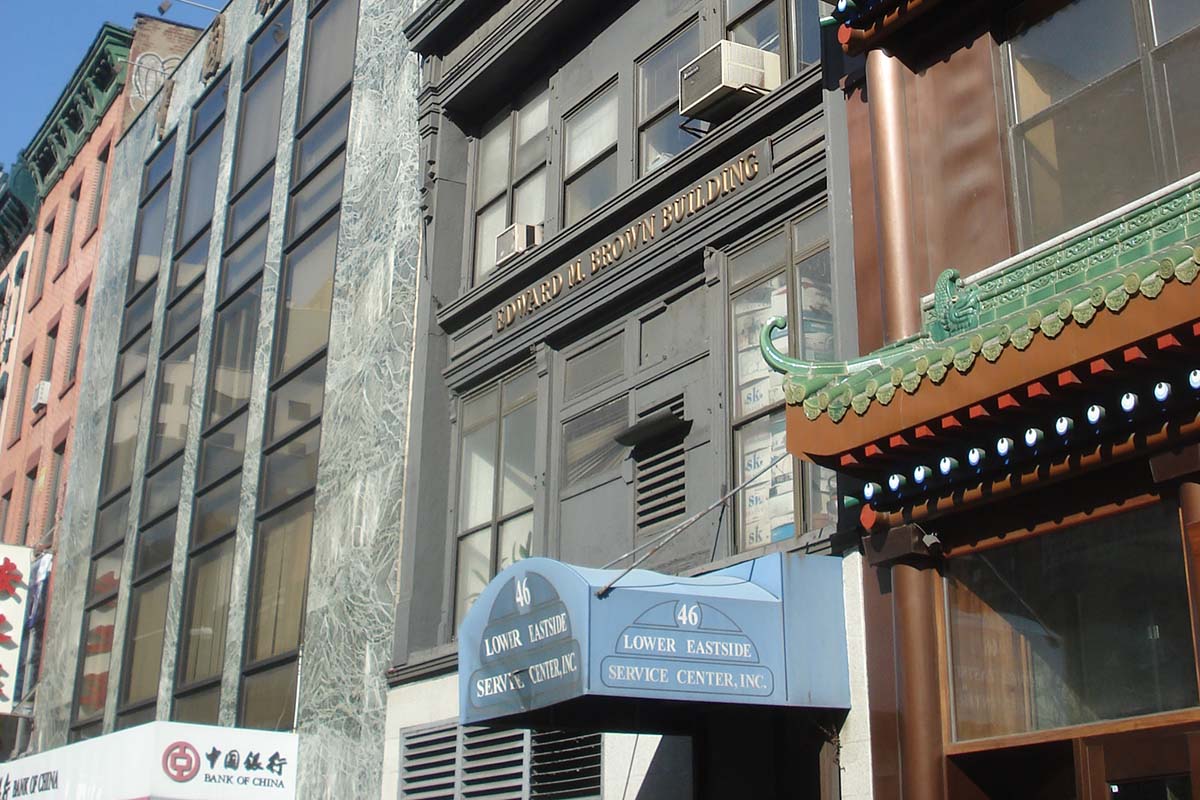
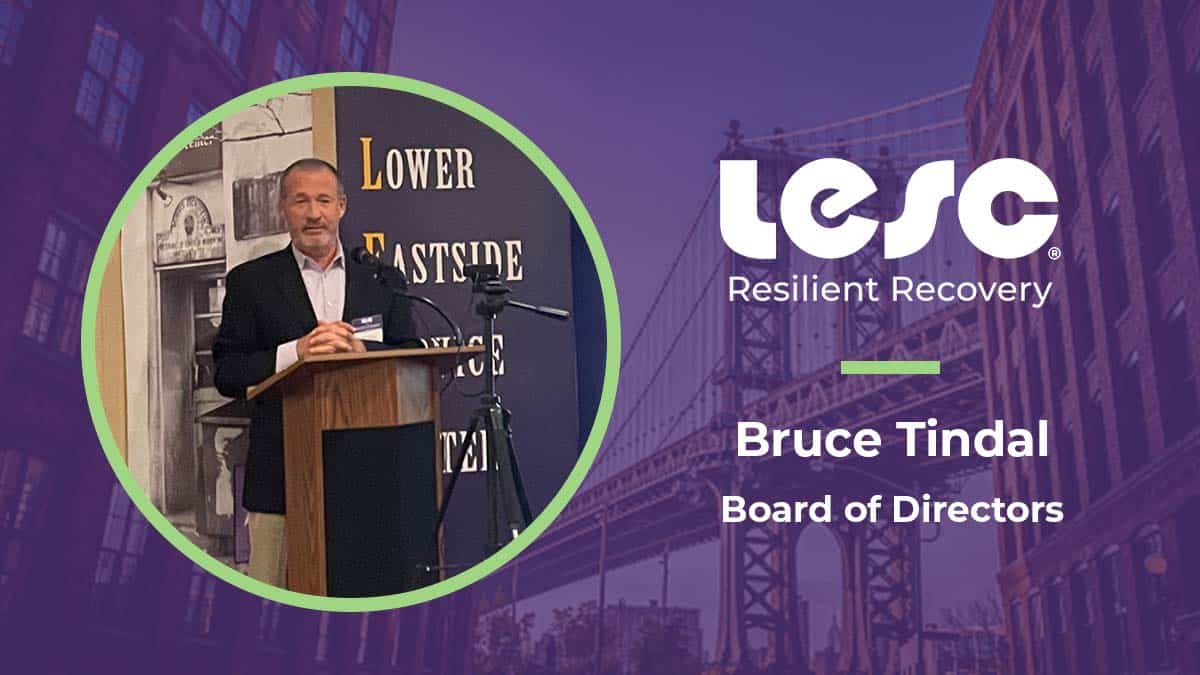
Tony Brown carries a legacy that extends far beyond his role as a Board Member at LESC. As the son of LESC’s founder, Ed Brown, Tony has witnessed firsthand the unwavering commitment LESC has shown to individuals struggling with substance use disorders.
Growing up in a family deeply invested in LESC’s mission, Tony developed a profound understanding of the organization’s values and the critical services it provides. His personal connection to LESC, rooted in his father’s legacy, has fueled his dedication to the organization’s continued success.
In this blog, we’ll explore Tony Brown’s journey with LESC, delve into his father’s founding vision, and uncover how Tony’s involvement continues to shape the organization’s future.
A Legacy of Pioneering Recovery: Ed Brown and the Founding of LESC
Tony Brown’s father, Ed Brown, was a visionary who recognized the urgent need for compassionate care and support for individuals struggling with substance use disorders. In the face of a growing heroin epidemic in the Lower East Side community, Ed’s unwavering commitment led him to establish LESC.
Ed’s journey began as a neighborhood minister, where he always felt he could do more to help his community. Tony explained, “He had a congregation in Manhattan, and he always felt he was preaching to the choir, I guess. He just felt like he wasn’t getting as much out of it as he really could and wasn’t really helping people as much as he could be. So, he started doing pastoral counseling and counseling folks that were really in need and found that a lot of those folks had substance use disorder. e figured out ways of trying to help them; he started the storefront location and really started building up from there.” Ed witnessed firsthand the devastating impact of addiction on individuals and families. Driven by deep compassion, he rallied the community to form LESC, a beacon of hope in a time of crisis.
Despite lacking formal training in social work or substance use disorder treatment, Ed’s determination and belief in the power of community-based care were instrumental in LESC’s early success. His vision of a compassionate, accessible, and effective recovery organization laid the foundation for LESC’s enduring legacy 67 years later.
As LESC grew and evolved, Ed’s legacy inspired and guided the organization. His unwavering commitment to providing hope, support, and opportunities for recovery remains at the heart of LESC’s mission today. Tony remembered, “My dad, I think, positioned it as “here’s another alternative to incarceration. Instead of just letting these people be out on the street, let’s deal with it in a more responsible fashion.” And I think it speaks to the resilient recovery efforts that we’ve been talking about recently at LESC and he really started to get that going.”
Tony Brown’s Journey: A Renewed Commitment to LESC
Tony Brown’s involvement with LESC was deeply influenced by his personal experiences and a renewed sense of purpose. While he had always been aware of his father’s legacy and the important work LESC was doing, it was a series of events that brought him closer to the organization.
The loss of his mother and stepfather during the COVID-19 pandemic served as a catalyst for Tony’s renewed commitment to LESC. Witnessing the challenges they faced during their illness, Tony felt a strong desire to give back and make a difference: “After their passing, I started thinking I’d like to give back a little bit and started thinking about other things versus shareholder value and all the other things that I deal with day to day being an IT consultant. So that’s when I reached out to Valerie and asked if there was anything I could help with, and she suggested the Board of Directors.”
Through his involvement with LESC, Tony has gained a deeper understanding of the organization’s mission and the critical role it plays in the lives of individuals struggling with substance use disorders. His passion for LESC is fueled by his belief in its ability to provide hope, support, and opportunities for recovery.
As a board member, Tony is committed to ensuring that LESC continues to evolve and adapt to meet the community’s changing needs. His vision for the future of LESC includes expanding outreach and networking across New York, strengthening partnerships within the community, and continuing to procure grant money to promote awareness and further their mission. He explained, “I’m sick of seeing family members impacted, and reading OR hearing, that Manhattan is in some ways ground zero, and is an incubator, too, in many ways. It’s worth a philanthropic investment by individuals or organizations who just feel like we have to do better; we have to do the right thing. We know what oxycodone did to decimate this country, and the funds that have been made available should be easily accessible by LESC. And I think there are opportunities in that as well as a variety of areas to try to push that forward and get greater philanthropy for LESC in the future.”
Tony’s involvement with LESC is a testament to his dedication to his father’s legacy and his belief in the power of community-based care. His passion and vision for the future of LESC are essential to ensuring that the organization continues to impact countless individuals’ lives positively. “I think LESC is helping people in a situation that they really can’t solve themselves, and they need medication, they need therapy, they need assistance, and LESC is in a great position to do that. They have a long track record and they’re trusted within Manhattan to do that, and they’ve been doing it for a long time.”
Be a Catalyst for Change as an LESC Board Member
Tony Brown’s role as a Board Member brings a fresh perspective and a renewed sense of energy to LESC. Even though he is based in Boston, his involvement has positively impacted the organization’s day-to-day operations by fostering innovation, enhancing outreach, and inspiring future generations.
As a leader, Tony bridges the gap between LESC’s history OR past and its future. He is hoping his son can do the same. “My son went to Seton Hall in New Jersey and got a position with the New York District Attorney’s office. His first role there was in a Pathways Program, a diversion program that offers alternatives for people who are about to be incarcerated. If they have substance use disorder, if they qualify for a program, they can get on track instead of going to jail. And so that’s what Caleb was doing for a while. As part of that, I introduced Caleb to Valerie, and he’s going to attend the next board meeting.” Tony hopes his son will bring a unique understanding of today’s challenges and opportunities, providing valuable insights into how the organization can better connect with different populations. His fresh perspective will hopefully encourage innovation and creativity within LESC, leading to more effective and engaging programs and services.
“If you are interested in becoming a member of the Board of Trustees, please reach out to me or the CEO of LESC, Valerie Walters,” Tony urges.
We will be honored to talk with you and share firsthand insights into the organization’s mission, values, and commitment required to serve on the board. Discover how your unique talent, time, treasure, and perspective can contribute to LESC’s continued success in providing essential services to individuals in need.
...........
Discover a Personalized Approach That Supports Resilient Recovery
Recovery is a process. That’s why the programs at LESC are not time-sensitive, they’re goal-sensitive. We work to address the individual needs of clients at every level, so they can become productive citizens in the communities where they live.
A healthier, more fulfilling life can be yours. Call or email us now to arrange a screening interview. A trained intake counselor is waiting to help you begin the admissions process.
Call: (347) 538-2632
Or email us at: info@lesc.org
About LESC
We’re committed to nurturing resilient recovery through a program of treatment, supportive housing, education, and energized community engagement. Discover the relationships, the resources, and the safe and sound support system to begin your journey.
Follow us on Facebook, Instagram, and LinkedIn.