LESC Dual Recovery Services offers comprehensive and integrated support for individuals who are struggling with both a substance use disorder (SUD) and a mental health disorder (such as depression, anxiety, bipolar disorder, or schizophrenia). However, a dual diagnosis is not necessary to participate in the program. Interestingly though, dual diagnosis isn’t unusual. In fact, one in four adults with a mental illness also struggle with a substance use disorder. Unfortunately, most people don’t realize they suffer from a dual diagnosis.
Risk factors for dual diagnosis:
- Family history of substance use or addiction.
- Family history of mental illness.
- Prenatal exposure to certain drugs, toxins, and viruses.
- Gender (men are said to be more likely to require treatment for dual diagnosis).
- Low self-esteem or poor self-image.
Symptoms of dual diagnosis:
- Withdrawal from your family and friends.
- Difficulty maintaining focus.
- Sudden changes in your behavior.
- Engaging in risky behaviors.
- Developing a high tolerance for the substance and/or having withdrawal symptoms.
- Feeling like you need the substance to function.
Substance use problems and mental health issues don't get better when they're ignored. In fact, they often get much worse. Research reveals that individuals with co-occurring SUD and mental health disorders who receive integrated Dual Recovery Services experience better outcomes in terms of reduced substance use, improved mental health, and overall quality of life.
LESC Dual Recovery Services offers comprehensive recovery-oriented programs that are tailored to help clients deal with both substance use and mental health disorders – at the same time. LESC clients with a dual diagnosis must treat both conditions. At LESC, we take a multidisciplinary approach to helping clients help themselves.
All dual diagnosis treatment plans are designed to help a person manage their symptoms and support resilient recovery – focusing on the individual, not just their addiction. Treatments may include individual therapy, family treatment, support groups, psychiatric services, and medication management. LESC Dual Recovery Services focus on areas of relapse prevention, recovery support, interpersonal skills development, vocational support, socialization, and healing at each client’s own pace.
The LESC Dual Recovery Services program includes social workers who are specially trained and certified to support clients struggling with both substance use and mental health challenges. LESC offers suboxone (buprenorphine) for patients who have an opioid use disorder (OUD) which is prescribed by our nurse practitioner and our board-certified psychiatrist. This level of integrative care is crucial because SUD and mental health disorders are often interconnected and can significantly impact an individual's quality of life, health, and relationships. The LESC Dual Recovery Services program helps to ensure that the underlying causes and triggers of both disorders are identified and treated appropriately – leading to more positive and lasting outcomes.
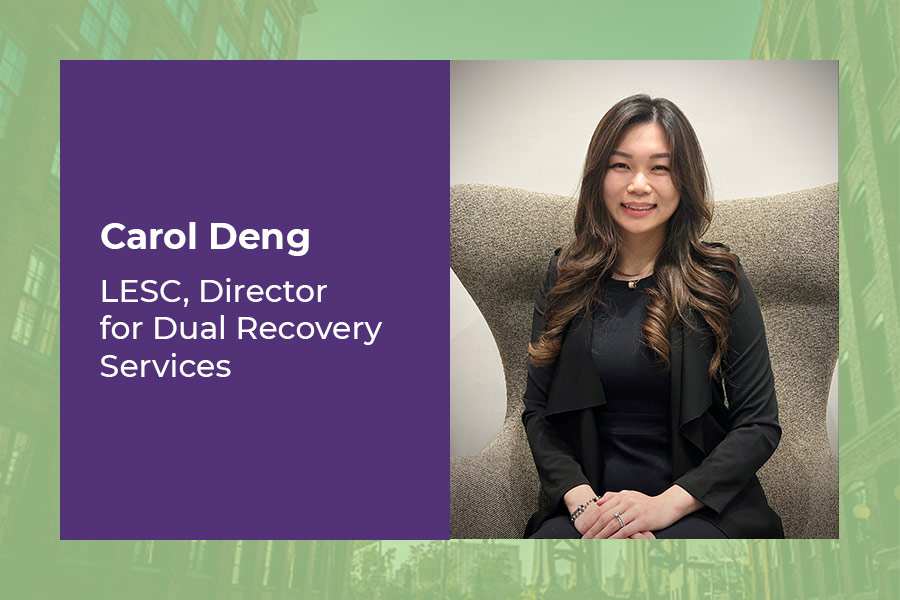
“We know our clients’ medical health and know the trauma they’ve experienced,” Carol Deng, LESC Director for Dual Recovery Services, offered. “And we assess each client to determine their strengths and limitations to determine whether they have the mental and physical capacity to return to work. This is important, especially for court-mandated clients who must find work. We advocate for dual diagnosis clients – every step of the process – including wellness, recovery, education, vocational training, life skills, supportive housing, and support on the job. We have a peer advocate who was a success at Su Casa many years ago. He got his certificate and now he's a peer advocate, working for LESC Dual Recovery Services today,” Carol added.
“One thing most people don’t know about LESC Dual Recovery Services is that even significant others who have been impacted by someone with a substance use disorder, can take advantage of LESC Dual Recovery,” Carol explained. "As the first, and one of the top-accredited dual diagnosis treatment centers in New York, LESC Dual Recovery Services supports a solid foundation for meaningful, sustainable, resilient recovery. Our programs and services are crucial for those struggling with co-occurring SUD and mental health disorders. By providing integrated, specialized care, LESC has helped to increase access to care, reduce stigma, and improve outcomes.”
Eligibility for LESC Dual Recovery Services:
- Adults 18 years of age and older.
- Currently using or have a history of substance use.
- History of mental illness in addition to substance use; psychiatric services are available.
- Family member or significant other that is affected by a person with a substance use disorder.
- Experiencing an opioid use disorder and are already in an outpatient methadone clinic for medication-assisted treatment and having a secondary substance use other than opioid use, or experiencing urges of relapsing (ex: due to life stressors and changes), you may also come to DRS for additional support.
A healthier, more fulfilling life can be yours. Call or email us now to arrange a screening interview.
Lower Eastside Service Center-Dual Recovery Services
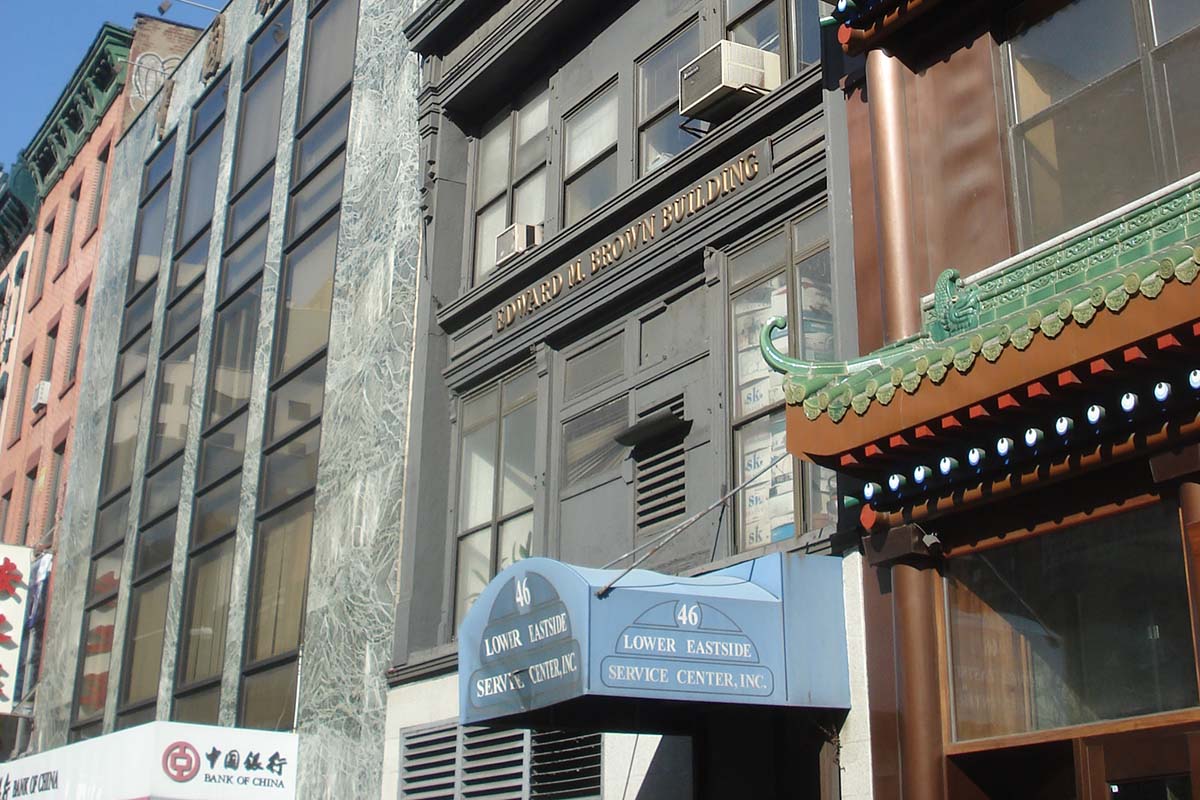
Location: 46 East Broadway 6th floor, New York, NY 10002
Contact: Carol Deng, Director of DRS, Licensed Master Social Worker
Cell phone: 347-920-1347
Email: cdeng@lesc.org
Website: www.lesc.org
Accepted insurance: Medicaid and Medicaid Managed Care including Affinity, Amida Care, Fidelis, HealthFirst, Health Plus, Emblem, MetroPlus, UHC, VNSNY Choice and WellCare. If you don’t see your provider listed, just give us a call at 212-343-3522.